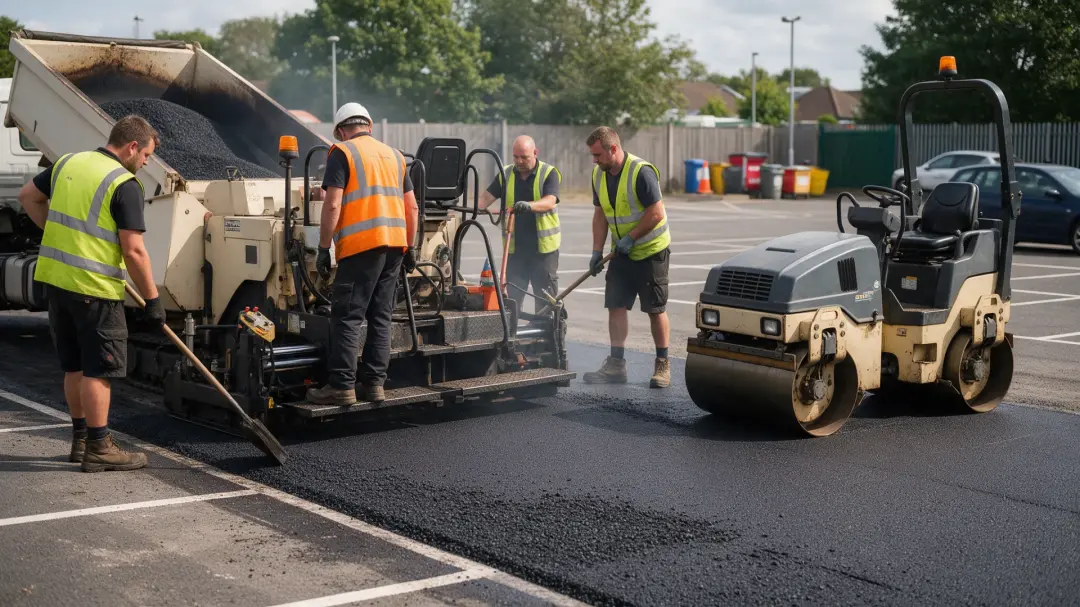
Resurfacing prices depend on much more than area. Two sites with similar dimensions can need different preparation, drainage and access arrangements. A useful quote explains what will be repaired, retained and replaced. Understanding those differences helps you compare proposals and avoid a low headline price that leaves important work outside the allowance.
Area, shape and edge work
Measure the usable area and note narrow sections, corners, entrances and changes in level. A broad, accessible space can allow more straightforward working than several small areas separated by walls or gates. Edging and junctions with existing surfaces also affect the work.
A square-metre rate cannot explain every detail. Make sure each contractor measures the same scope, including parking bays, connecting paths and entrance sections you expect to be included. Drawings or marked photographs can help prevent misunderstandings about the boundaries.
What the existing construction can support
The largest difference between quotations may be hidden beneath the surface. A sound base could allow suitable resurfacing after preparation, whereas movement, deep failures or unsuitable construction may require rebuilding.
Local repairs should be identified separately so you understand where additional work is planned. Ask how the contractor reached their assessment and what happens if unexpected weakness is found. A procedure for agreeing extra work is preferable to an unexplained contingency or an assumption that every existing base is usable.
Preparation, removal and disposal
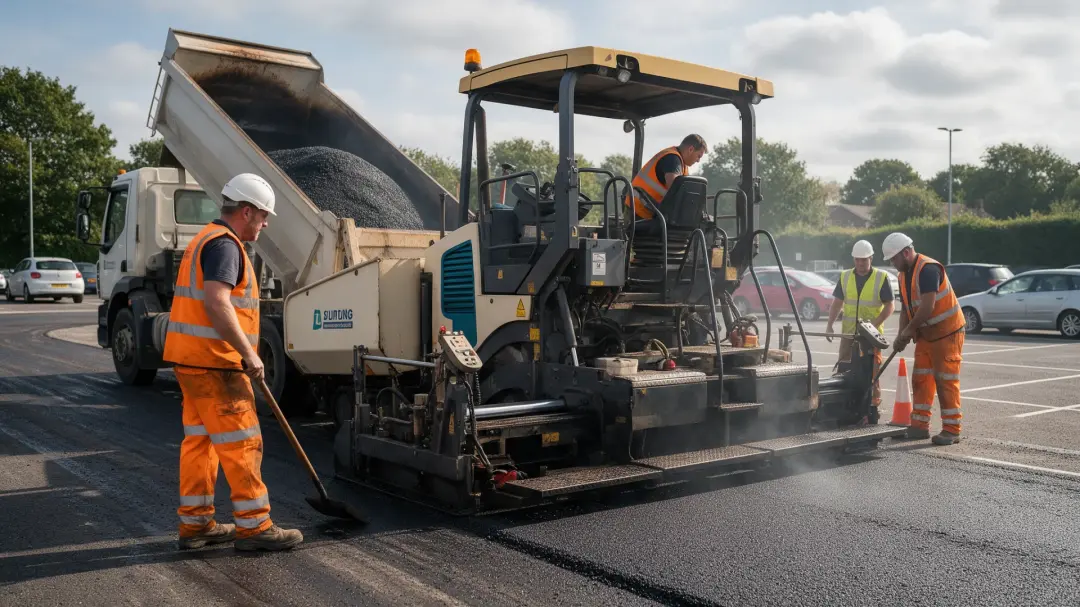
Removing a worn layer, cleaning an existing surface, adjusting covers and making good edges all take time. Where material is removed, the quotation should address loading, transport and lawful disposal or recycling. Access for machinery and collection vehicles can change the method and programme.
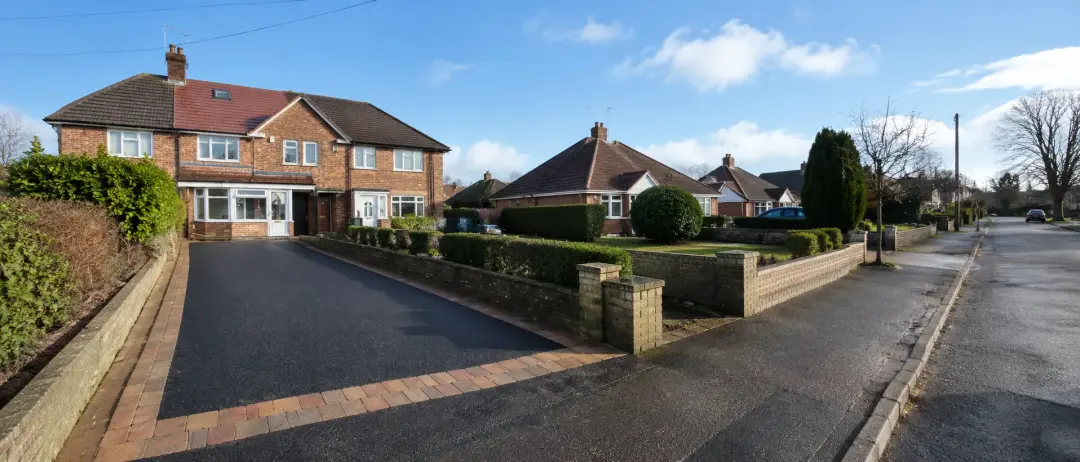
A domestic drive with restricted access will not be priced like an open commercial site. Confirm what preparation is included and whether the price assumes the area has already been cleared before the contractor arrives.
Drainage and finished levels
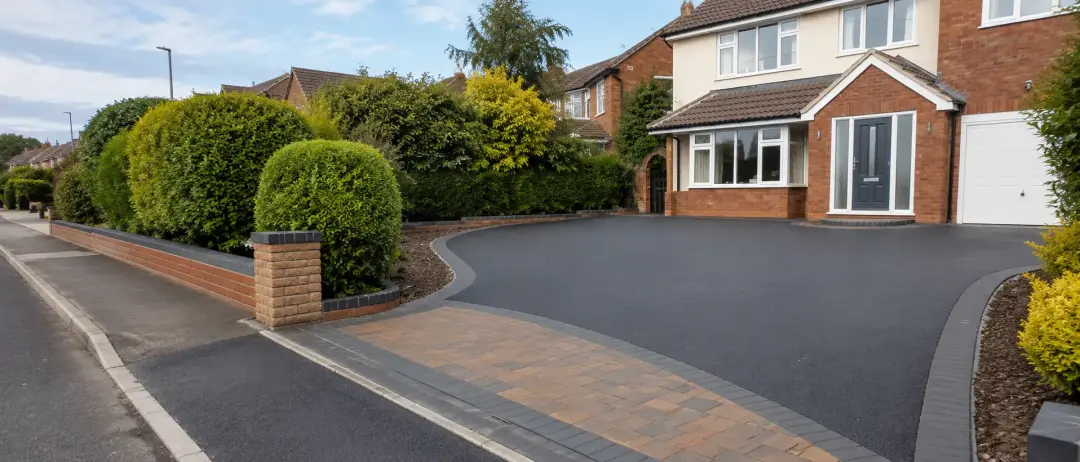
Work may need changes to falls or drainage to avoid retaining existing puddles. Channels, suitable connections and adjustment of inspection covers should be included where required. An overlay raises levels, which can affect door thresholds, adjoining paths and clearances.
These details influence price and whether resurfacing is appropriate. Ask how finished levels will be established and checked. A proposal that ignores a known water problem deserves further discussion, even if its surface material is correctly specified and the price looks attractive.
Material choice and site operation
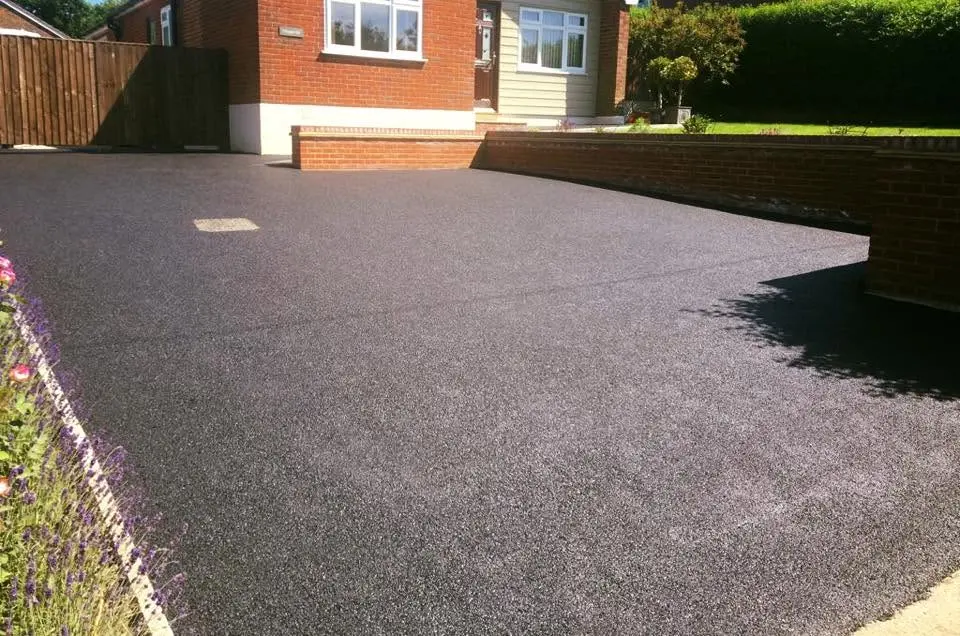
An asphalt overlay, surface dressing and full reconstruction are different operations. They should not be compared as though they deliver identical results. Expected traffic, turning movements and existing condition help determine the treatment.
Car park markings and pedestrian routes may add further work. Ask whether markings, closures and reopening arrangements are included. If access must remain available to a business, the quotation should reflect that restriction. Phasing or working around occupied areas can change the resources needed to deliver the same overall scope.
What current maintenance figures tell us
The ALARM 2026 survey gives overall average public-road pothole repair costs of £63.11 for planned work and £93.79 for reactive work. The latter is approximately 49% higher, calculated from those averages. These are not private resurfacing prices or guaranteed savings.
They show why timing and method matter when managing repairs. Read the ALARM 2026 survey. Assess recurring defects early so repair and resurfacing can be considered before an urgent closure becomes necessary.
Compare scope and payment terms
Request a written quotation covering preparation, materials, drainage, waste, access and exclusions. Check whether VAT is included and how variations will be authorised. If work must be phased, ensure every quote allows for the same restrictions.
A lower price can reflect a smaller scope rather than better value. Compare what each proposal leaves you with at completion, and resolve unclear assumptions before agreeing a start date or payment. Keep a record of the agreed specification so any later changes can be discussed accurately.
Summary
For work in Colchester or Chelmsford, provide the same site information to each contractor so differences between quotations are easier to understand.
Cost is driven by existing construction, preparation, treatment and site constraints. A written quotation based on inspection is more useful than a generic price per square metre. Contact Colne Contractors Surfacing to discuss the area and the work you want assessed.