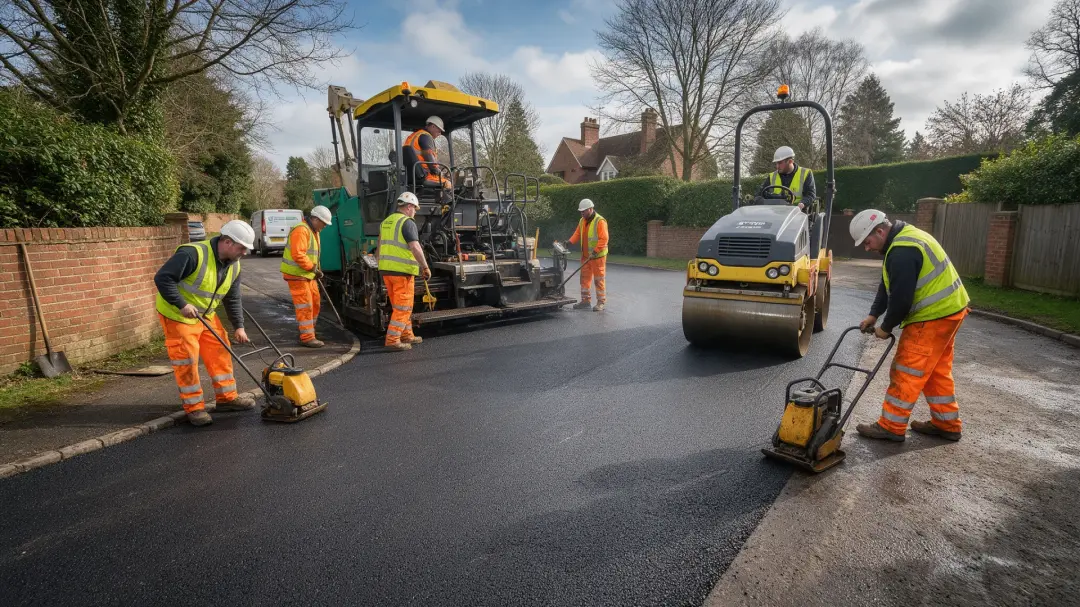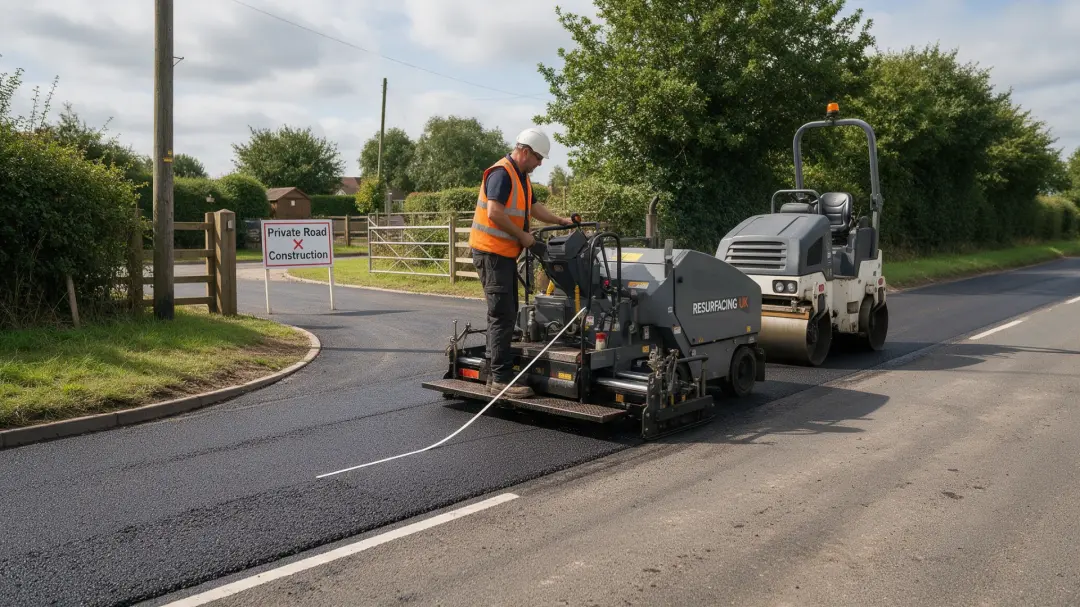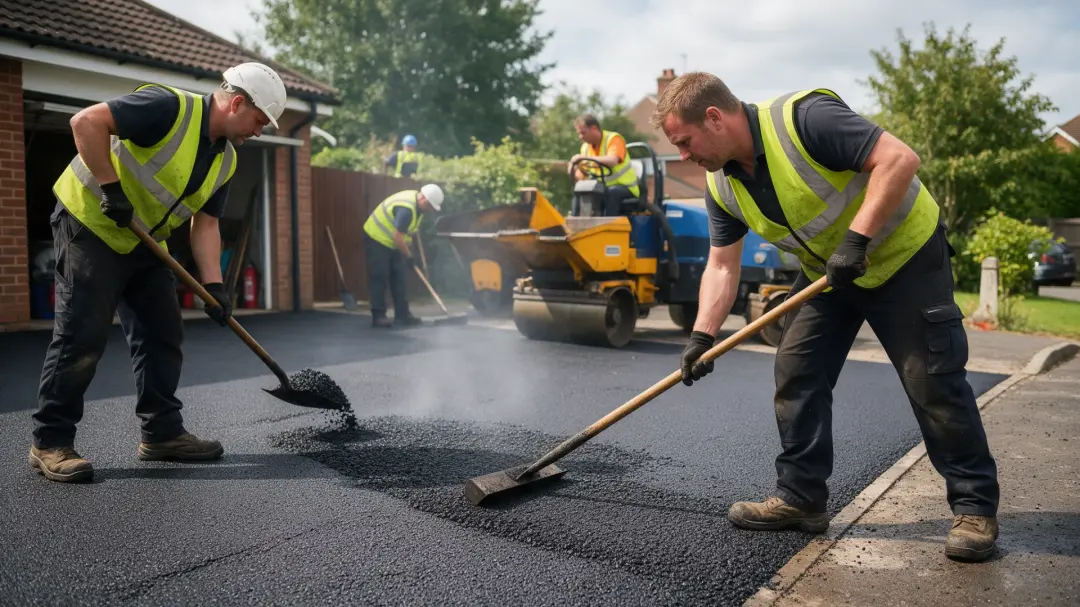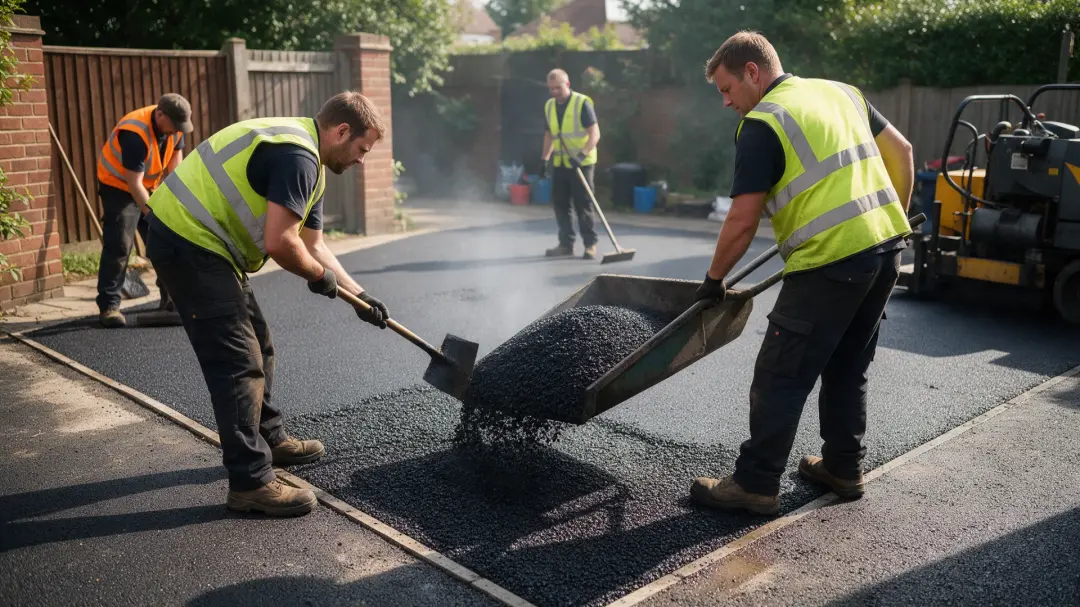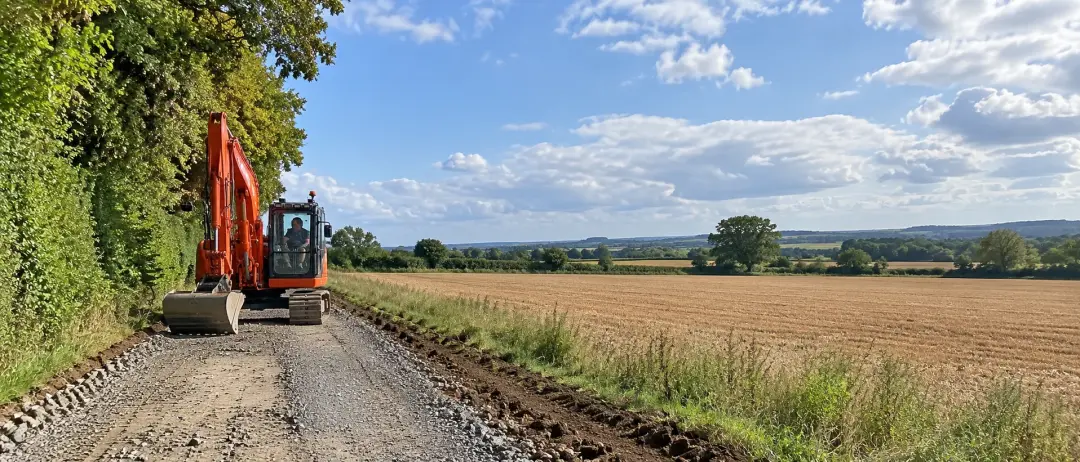
A new private road needs more preparation than clearing a strip of land. You must establish the route, legal access, users, drainage and how construction will affect the properties it serves. Resolving those questions first helps the design and quotation reflect the road you actually need, rather than leaving important decisions until excavation begins.
Confirm ownership and access rights
Identify the land crossed by the proposed route and who has the right to authorise work. Check relevant deeds, agreements and rights of way with appropriate professional advice where needed. Being responsible for maintaining an existing road does not automatically settle every right to widen it or change its use.
Where several owners are involved, agree who will represent them and approve variations. Record the agreed scope and responsibilities so the contractor has one clear instruction rather than conflicting requests from different users.
Describe present and future traffic
Consider residents, deliveries, visitors and service vehicles, including the heaviest occasional use. The latest Department for Transport figures, published in September 2026, show van traffic on England's locally managed roads rose 1.2% in 2025 to 31.6 billion vehicle miles.
These public-road figures are context rather than a prediction of your private road's traffic. Read the latest traffic estimates. Base your specification on the vehicles that will actually need access, not just the cars parked there today.
Survey the route and ground conditions
Provide information about existing structures, known utilities and places where the ground becomes wet or unstable. The contractor and any appointed designer can then assess what investigation is necessary. A road's performance depends on the supporting construction as well as its visible surface.
Avoid choosing a layer thickness or material from a generic example without considering the site. Discuss changes in level, constrained entrances and possible turning areas early. These features can influence both the route and the practical method of construction.
Settle drainage and discharge arrangements
Identify where water comes from, where it collects and how a new road might change its route. Runoff should have an appropriate destination, with any required permissions or agreements addressed.
A continuous surfaced road can alter conditions compared with an informal track, so the drainage design should reflect the new construction. Include channels, culverts or other features where specified rather than treating them as optional extras later. Ask how maintenance access will be provided to drainage features once the road is in use.
Resolve approvals and the highway connection
Check the planning position for the complete proposal and any work where it meets the public highway. If eventual adoption is intended, involve the highway authority before choosing construction details.
Essex Highways provides information about road adoption and land agreements; adoption should not be assumed to follow simply because a road has been surfaced. See Essex Highways' adoption information. Keep approved plans and relevant conditions available so the site team understands the authorised route and specification.
Arrange access while work is carried out
Discuss how residents and businesses will enter or leave during excavation, surfacing and reopening. Some stages may require a complete closure, while a phased approach might be possible elsewhere. Agree arrangements for essential visits and deliveries before the programme is finalised.
Tell affected users when access changes and who will communicate updates. Do not rely on an informal expectation that vehicles can always pass the machinery. A temporary route, where available, must itself be suitable and agreed rather than improvised during the job.
Prepare a clear scope and handover plan
Confirm boundaries, surfacing, edge support, drainage and connections in the written proposal. Identify who approves unexpected additional work and how costs are shared where several parties contribute. At completion, retain construction information, drainage details and maintenance instructions.
Agree who will inspect the road and organise future repairs. Those arrangements help protect the investment after the construction team leaves. A private road should be prepared as an access system with continuing responsibilities, rather than considered finished simply when the new surface is laid.
Summary
For a proposed private road in Colchester or Chelmsford, identify all affected users before the access programme is agreed.
Prepare for private road construction by confirming rights, traffic needs, ground conditions, drainage and approvals. Agree access arrangements and maintenance responsibilities before work starts. Speak to Colne Contractors Surfacing about assessing the proposed route and developing a clear construction scope.