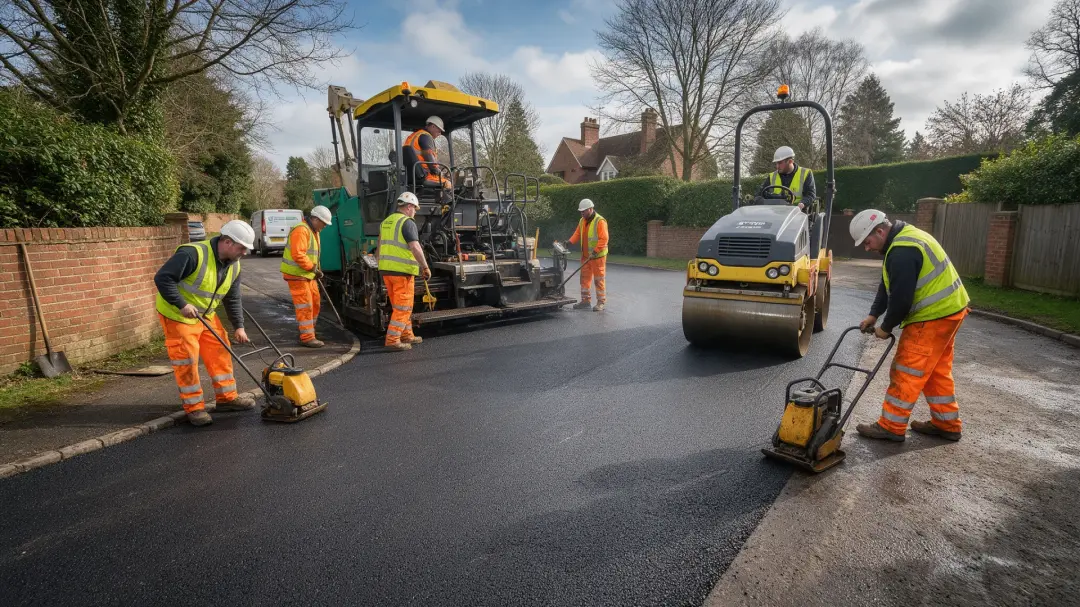
A private road's planning position depends on the work proposed, not simply on who owns it. Maintaining an existing route and constructing a new access road are different questions. Assess the entire proposal, including its connection to the highway, drainage and changes in use, before assuming that a domestic driveway rule applies.
Distinguish maintenance from a new road
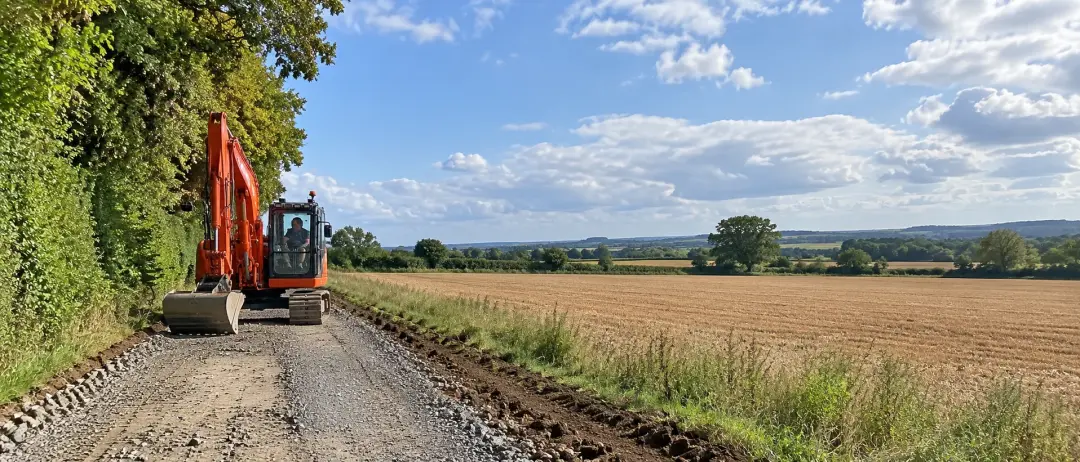
England's Planning Data service identifies a permitted development class for works required for maintenance or improvement within the boundaries of an unadopted street or private way. That does not mean every new route, widening or associated development is covered. See the official entry for repairs to unadopted streets and private ways.
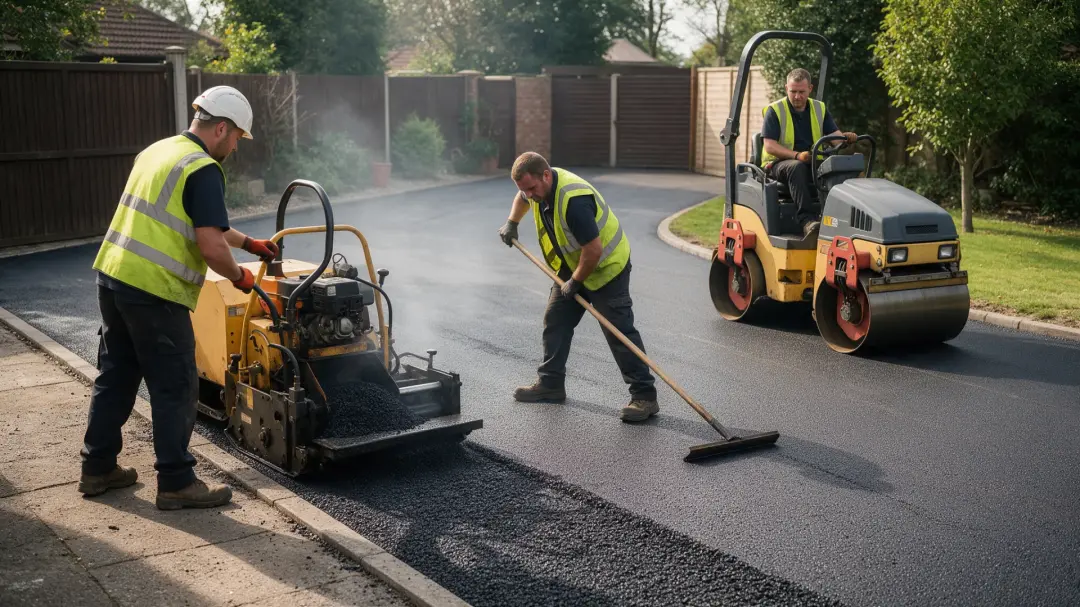
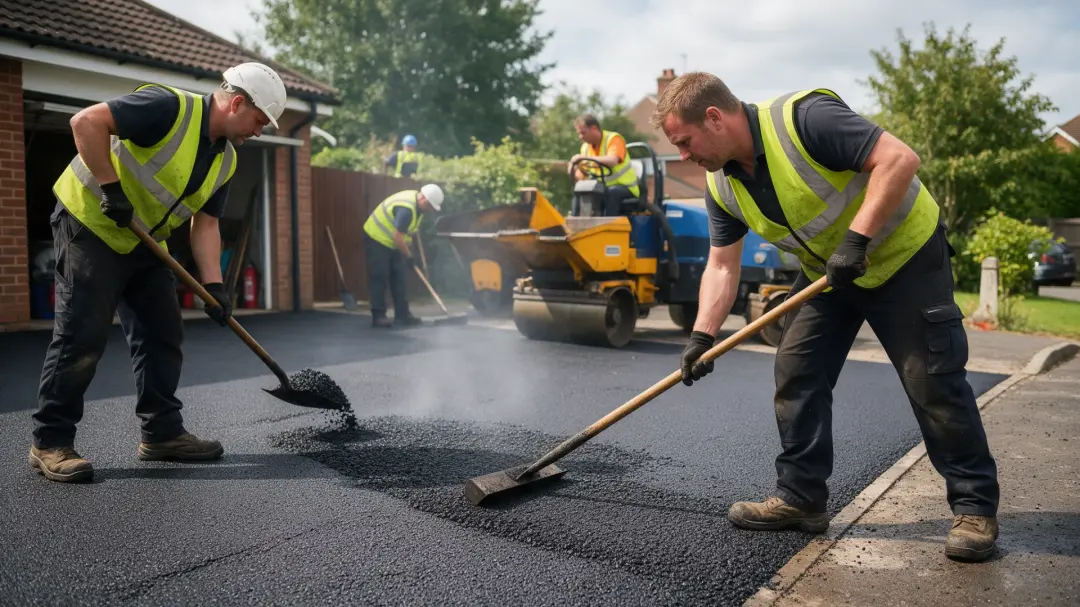
Describe what is changing and check the applicable rules with the local planning authority. A project called resurfacing can still need closer consideration if it extends beyond the existing route or changes its function.
Why the front-garden threshold is not a road exemption
The familiar rule about front-garden paving should not be used as a general permission to construct a private road. Its context is domestic hard surfacing with particular conditions, rather than every access route over private land.
A road serving multiple properties, business premises or previously undeveloped land can raise different planning issues. Describe the land, existing use and purpose of the new route when asking for advice. The authority needs to understand the actual development rather than only a proposed surface material.
Consider new access and changes in use
Relocating an entrance, increasing traffic or creating access for a new use may affect the planning assessment. The proposal might form part of a larger development rather than a standalone road job. Check any existing permission and conditions relating to access, layout or drainage.
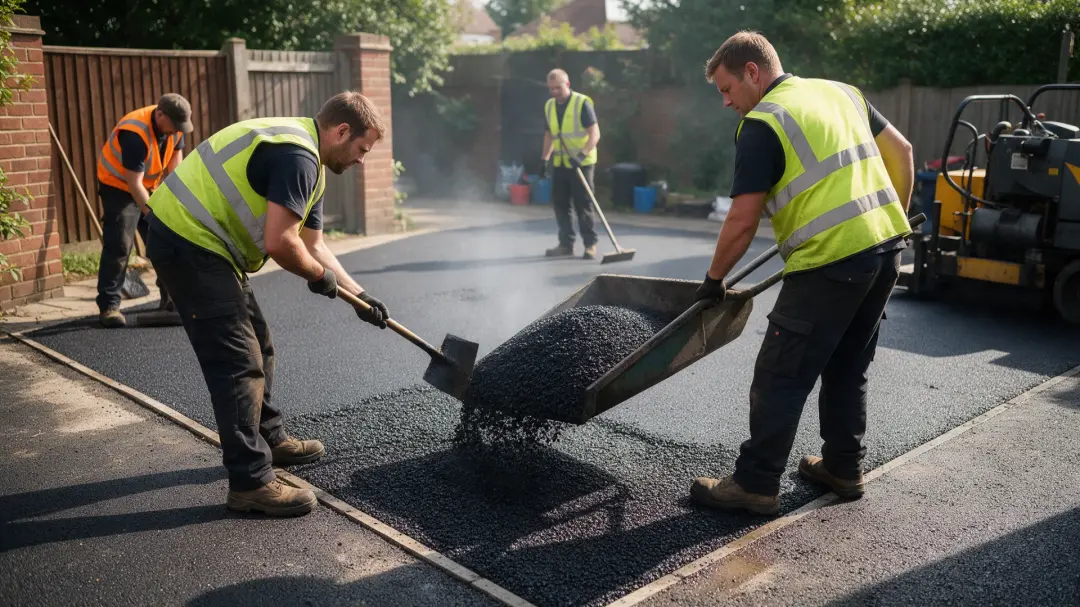
Where an approved development includes a road, a change to the design may need further consideration. Keep those questions separate from whether a contractor can physically carry out the work; construction feasibility does not establish planning acceptability.
Highway consent and adoption are separate matters
Work at the public highway may need the highway authority's consent or an agreement, even where planning permission is granted or not required. Future adoption also has its own process and standards. Government guidance explains how roads can become maintainable at public expense under the Highways Act. Read the government's road-adoption guidance.
Agree which authority needs to be involved before construction. A road remaining private should still be designed and maintained for its intended users; ownership does not remove practical access or drainage requirements.
Private rights need their own checks
Planning permission does not, by itself, give you ownership of someone else's land or settle the terms of an access agreement. Check who can authorise construction, whether rights allow the proposed use and who must contribute to maintenance.
Where those matters are unclear, seek appropriate legal advice before agreeing works. Shared routes can require coordination between several owners or users. A written agreement about scope and responsibilities can prevent construction being delayed by an unresolved dispute that sits outside the planning authority's decision.
Allow time if an application is required
Current government guidance sets statutory decision periods of eight weeks for most non-major planning applications and thirteen weeks for major development, after validation, unless an extension is agreed; other application types have different periods.
These are process limits rather than promised approval dates. The guidance was updated in April 2026. Read the planning decision guidance. Allow additional time for preparing information, validation and complying with conditions. Avoid scheduling road construction around an assumed positive decision on a fixed date.
Give the authority a complete proposal
Prepare a plan showing the existing route, proposed changes, connections, boundaries and drainage. Explain the users, anticipated vehicle types and any associated development. Ask whether further information is required and whether a lawful development certificate is appropriate if relying on permitted development.
Retain written advice and approved plans with the construction specification. The local authority can then consider a defined proposal rather than a vague question about private roads. Check the position again if the scope changes materially before work begins.
Summary
A road proposal in Chelmsford or Colchester should be described to the relevant planning authority as a complete development, including access and drainage.
A new private road and maintenance of an existing private way require different planning assessments. Check the full proposal, highway involvement and private rights before construction. Contact Colne Contractors Surfacing to discuss the road specification and information you may need for your enquiries.