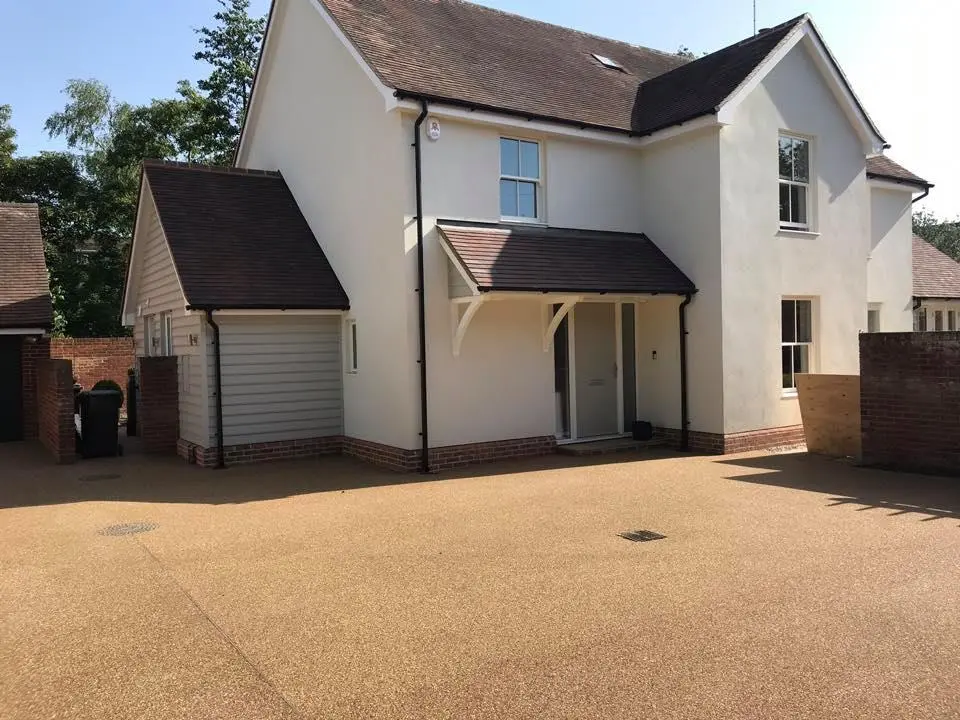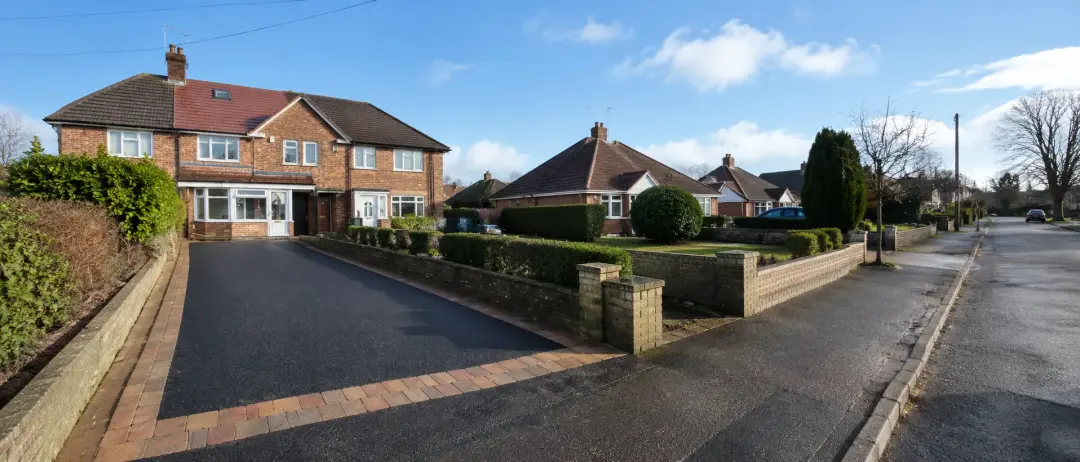
Installing a resin driveway involves assessment, preparation, laying the surface and waiting before use. The final layer may be only one part of the programme. To plan parking and household access, ask for the start-to-reopening schedule rather than only the number of days the surfacing team expects to spend on site.
Why there is no single timescale
A suitable existing base can reduce preparation, but a driveway needing excavation, new construction and drainage takes longer. Size matters, yet it does not explain restricted access, awkward levels or detailed edges. Work around steps and inspection covers can also affect progress.
A contractor should inspect the site before giving a programme. Treat an advertised fast installation as an example of a particular job, rather than evidence that every property can be completed in the same period. Understand the assumptions behind your own schedule.
Decisions before the start date
Choosing the aggregate blend, agreeing boundaries and confirming drainage can be completed before work starts. Leave time for necessary permissions or highway access changes. The proposed resin system and base should suit the vehicles expected to use them.
An unresolved decision during installation can delay work or lead to a hurried choice. Ask which information and approvals are needed before the start date becomes firm, and whether ordering materials depends on final colour approval. Written confirmation helps everyone plan around the same decisions.
Preparation determines the programme
Removing an old surface, treating weak areas, establishing levels and installing edging are substantial parts of a new driveway. Where a new base is needed, include the appropriate time before resin application. It is not enough for the top to look ready.
Ask how readiness is checked and whether the quote allows for unexpected problems below the old drive. An overlay should only be proposed where the existing construction is suitable, stable and prepared correctly. Rushing these stages can undermine the finished surface.
Laying the resin bound layer
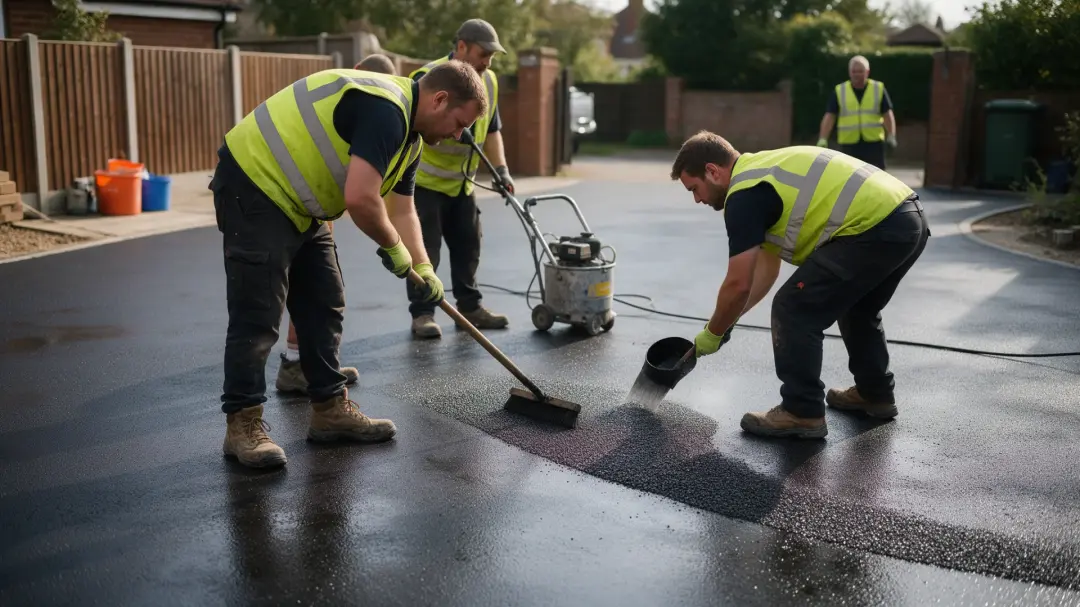
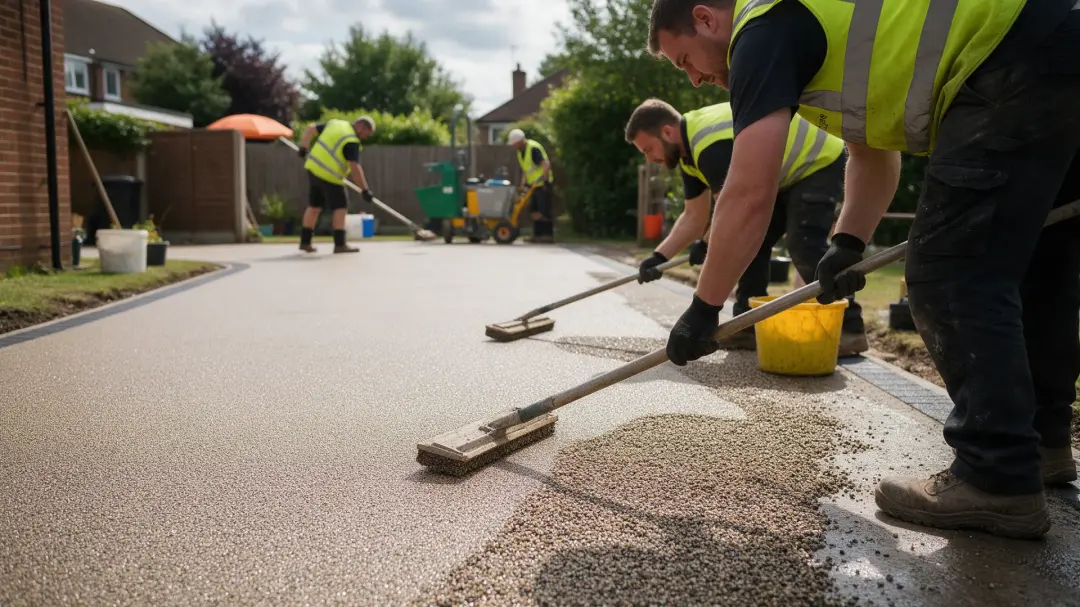
The surfacing stage involves controlled mixing, distributing material and finishing consistently. The team must work within the product's handling requirements and site conditions. A large uninterrupted area and a smaller drive with intricate borders create different demands.
You need not coordinate the technical operations yourself, but ask what access the crew needs and which areas must remain clear. Avoid arranging other trades to cross the working area during installation. Any delivery arriving at the wrong stage may need an alternative unloading location.
Curing and reopening are separate milestones
DALTEX's guide, available when checked in October 2026, recommends at least 24 hours before foot traffic and at least 48 hours before vehicle traffic for its described system.
These are manufacturer guidance figures, not universal deadlines for every product or weather condition. Read the DALTEX guidance. Obtain reopening instructions for your actual driveway. Looking dry, tolerating moisture or being safe to touch does not necessarily mean a surface is ready to carry a car.
Weather and schedule changes
The installer needs conditions suitable for the chosen resin and application method. Rain, temperature and moisture can change the programme or delay laying.
A weather delay differs from avoidable failure to organise the job. Ask how a revised date will be communicated and whether preparation can remain safely protected meanwhile. Establish how long the whole driveway will be unavailable, because access can be affected before the final layer is laid. Allow some flexibility where arrangements depend on suitable outdoor conditions.
Organising parking and household access
Move vehicles before access closes and arrange parking throughout preparation and curing. Tell the installer about essential visitors, deliveries and mobility needs. Agree a safe walking route where one can be provided rather than crossing fresh material.
Keep children and pets away from working and curing areas. At handover, confirm permitted foot and vehicle access, restrictions on heavy vehicles and who to contact if damage appears before reopening. Put those instructions somewhere everyone in the household can see them, including anyone returning home later.
Summary
If your home is in Colchester or Chelmsford, discuss local access and parking arrangements when agreeing the installation programme.
Plan around the complete installation, including preparation, weather and the wait before walking or driving. Reopening instructions should reflect the specified system and conditions on your site. Ask Colne Contractors Surfacing for an assessment and a programme that suits your access needs.